The Anti-Innovation Trap: How Josh Hawley Would Hand China the Transportation Future
All views in this newsletter are my own and do not represent the views of The R Street Institute, the US Navy, or any other organization I am affiliated with.
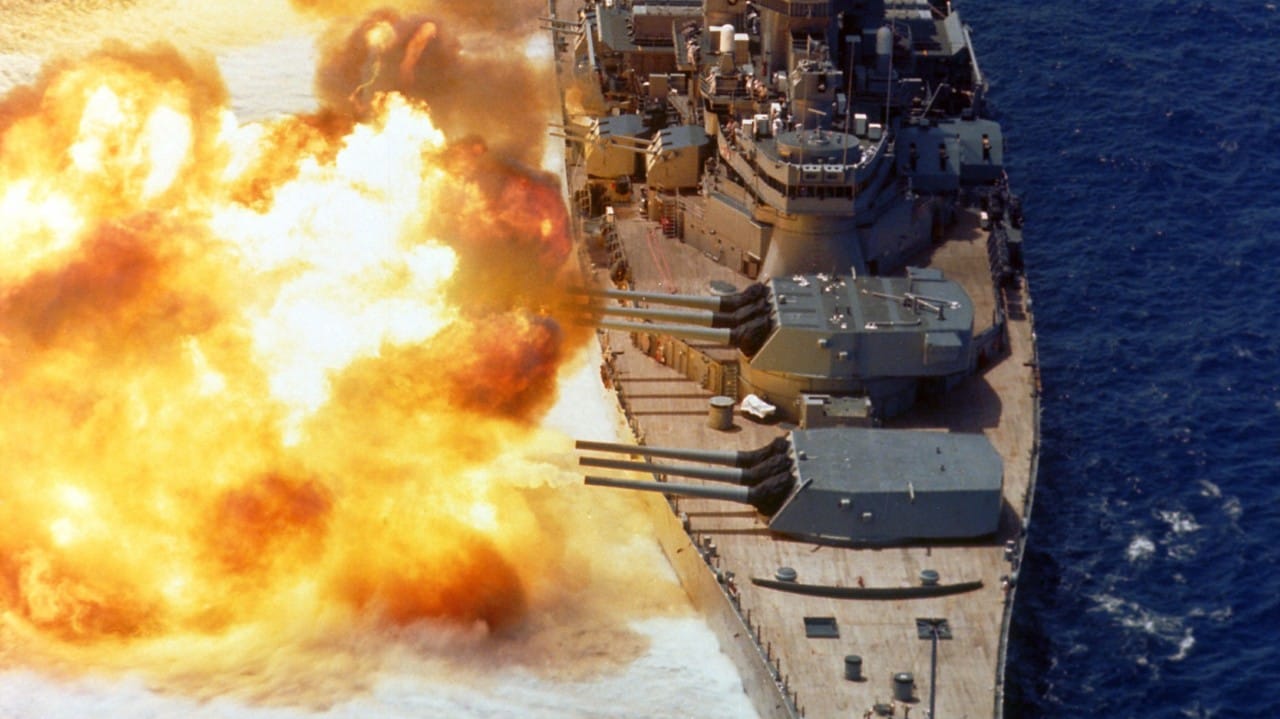
In 1945, the British Royal Navy faced a stark strategic reality. Aircraft carriers had decisively proven their superiority over battleships during World War II. Engagements such as the Battle of Midway and the sinking of the Battleship Yamato by carrier aircraft clearly demonstrated carrier-based aviation's dominance in naval warfare.
Enlightened naval officers understood that the age of the battleship had ended, but institutional resistance to this new paradigm ran deep. The Royal Navy clung to battleships for another decade, finally decommissioning its last one in 1960, fifteen years after the war had proven them obsolete. Meanwhile, the U.S. Navy rapidly shifted resources to carriers and emerged as the dominant naval power. British naval supremacy didn't end with enemy action, it was taken down by nostalgia.
Today, Senator Josh Hawley is making the same strategic error. At the National Conservatism Conference, Hawley declared that "only humans ought to drive cars and trucks" and announced plans for legislation banning autonomous vehicles. This represents a profound strategic error that military historians would recognize immediately. Hawley is foolishly proposing a choice between ideological purity and strategic adaptation.
The Transhumanist Straw Man
Hawley frames his opposition to autonomous vehicles within a broader critique of "transhumanism," what he calls the Silicon Valley elite's desire to "transcend the human condition" and rule over common Americans. According to Hawley, "artificial intelligence threatens the common man's liberty" and "Americanism and the transhumanist revolution cannot coexist."
This rhetorical framework creates an interesting narrative but suffers from a fundamental strategic flaw in that it confuses tactical capabilities with strategic objectives. Autonomous vehicles aren't about transcending humanity, they're about reducing the tens of thousands of Americans killed in traffic accidents each year. As of March 2025, Waymo has operated vehicles over 71 million miles without a human driver, demonstrating safety records that exceed human operators who "get drunk, drowsy, or distracted."
Strategists understand that effective threat assessment requires distinguishing between actual capabilities and imagined motivations. A 2024 study in Nature Communications found that vehicles equipped with Advanced Driving Systems generally have a lower chance of occurring than Human-Driven Vehicles in most of the similar accident scenarios. Hawley's transhumanist threat narrative ignores this evidence in favor of ideological opposition. Like Royal Navy admirals who viewed carriers as threats to naval tradition, Hawley treats technological advancement as ideological warfare rather than strategic opportunity.
The Strategic Cost of the Luddite Approach
Hawley's proposed "Autonomous Vehicle Safety Act" would require "human safety operators" in any autonomous vehicles on public roads. This effectively bans the technology while maintaining the pretense of regulation. This represents what military analysts call "defensive rigidity." This is the same institutional resistance that kept the Royal Navy funding obsolete battleships while competitors built carrier fleets.
The global implications are profound. While Hawley proposes banning autonomous vehicles to protect American truckers, China's autonomous vehicle industry continues advancing. Chinese companies like Baidu and Pony.ai are testing autonomous vehicles across multiple cities, building the technological base for future transportation leadership.
Hawley's approach hands China exactly what Sun Tzu would call "victory without fighting." Instead of competing to build better autonomous systems that protect both safety and employment, we would simply abandon the field entirely. This would be a strategic surrender disguised as populism.
The Employment Displacement Fallacy
Hawley's core concern appears to be employment. "If AVs become the norm, the Teamsters won't exist anymore." This reflects a fundamental misunderstanding of how technological change affects labor markets. The Royal Navy faced similar concerns about displacing traditional sailors, yet adaptation created new naval specialties rather than eliminating naval careers entirely. History provides extensive examples of technological displacement creating new strategic opportunities rather than just eliminating old ones.
The strategic error lies in protecting existing jobs rather than enabling workforce adaptation. Effective policy would focus on helping American workers lead autonomous vehicle adoption rather than opposing it entirely. This approach maintains strategic competitiveness while addressing legitimate employment concerns.
The Real Strategic Competition
The fundamental strategic question isn't about some sinister transhumanist agenda, it's whether America will lead the AV revolution or follow others' innovations. China's autonomous vehicle investments represent a systematic attempt to dominate future transportation infrastructure. European companies are advancing autonomous systems for both passenger and commercial applications.
Meanwhile, Hawley proposes that America simply withdraw from this competition to protect existing employment structures. This represents the classic strategic error of fighting yesterday's war with yesterday's tools. Hawley is repeating the Royal Navy's strategic error: choosing nostalgia for a simpler time over competitive adaptation. The result will be the same: watching from the sidelines as others dominate the future.
The transhumanist framing is an attempt to obscure this fundamental choice. Autonomous vehicles aren't about transcending humanity, they're about American technological leadership, public safety, and economic competitiveness. Strategic success requires embracing these opportunities while managing their consequences, not abandoning them entirely.
What This Means For...
Policymakers: Technology bans represent strategic retreat, not protection of American interests. Effective policy focuses on leading technological development while managing transition costs. Evidence-based safety standards and workforce support programs achieve both innovation and worker protection more effectively than prohibition.
U.S. strategic competition: Hawley's approach hands competitors exactly what they want: America's withdrawal from key technological domains. While China advances autonomous vehicle capabilities, we would be debating whether the technology should exist at all. Strategic competition requires competing, not surrendering.
Tech companies: Populist opposition to autonomous vehicles reflects broader resistance to technological change that must be addressed through demonstrated safety benefits and workforce transition support. Companies that lead in safety and worker retraining will build sustainable political support for continued innovation.
Aspiring strategic thinkers: Military history demonstrates that technological adaptation beats technological resistance. Nations that embrace change while managing its consequences maintain strategic advantage. Those that reject change for ideological reasons cede leadership to more adaptive competitors.